
Painful arthritis of the hip and knee is a common cause of disability. Over 30 million Americans struggle with osteoarthritis, the most common type of arthritis. 14 million people have knee arthritis, half of whom are under age 65. Symptomatic hip arthritis affects about 2.4% of the population. Despite these impressive numbers, the traditional treatment options for managing painful arthritis of this kind are rather poor.
The usual approach to treating affected people is to use anti-inflammatory medications, analgesics, topical salves and ointments, exercise, and physical therapy. A number of nutritional supplements, such as glucosamine/chondroitin, curcumin/turmeric and others may provide some benefit. Some of these options can be quite helpful, but for many arthritis sufferers, these efforts prove unsatisfactory.
Joint replacement surgery is generally very successful, with over 90% of hip implant patients expressing satisfaction and significant pain relief. But knee replacements aren’t always as successful; up to 20% of patients report persistent pain after the procedure. And for many, it would be preferred to address this problem without the need for a surgical joint replacement.
What about joint injections? Traditionally, the 2 main approaches have been cortisone shots and “gel” injections (viscosupplementation). Cortisone joint injections often provide relief and can be quite useful. The problem is that the effect is of short duration, lasting from 2 weeks to 3 months, in most cases. And recent studies have shown that repeated cortisone shots actually hasten the joint degeneration. Consequently, many doctors limit the number of cortisone shots a person can receive.
“Gel” shots, using hyaluronan products have become quite popular as an alternative to cortisone shots. There are a number of products available, such as Synvisc, Orthovisc, Hyalgan, Supartz, and others. These contain hyaluronic acid, a major component of normal joint fluid, which provides lubrication and reduces friction in the joint. While generally safe, the problem is that they are not very effective. A number of studies have indicated that the results of such injections are no better than placebo injections. I have found them to be useful in some of my patients, but the effect is generally mild.
The biggest problem with all of the above treatment options is that they do not really address the cause of the problem, which is thinning and deterioration of the cartilage joint surface.
Regenerative medicine approaches arthritis by seeking to actually support the cartilage and help improve normal cartilage quality and function. Ideally, we can hope to actually regrow damaged cartilage and thus restore normal joint function.
There are a number of exciting treatment options now available, essentially offering us a “menu” of choices to treat an affected joint.
Platelet Rich Plasma (PRP)
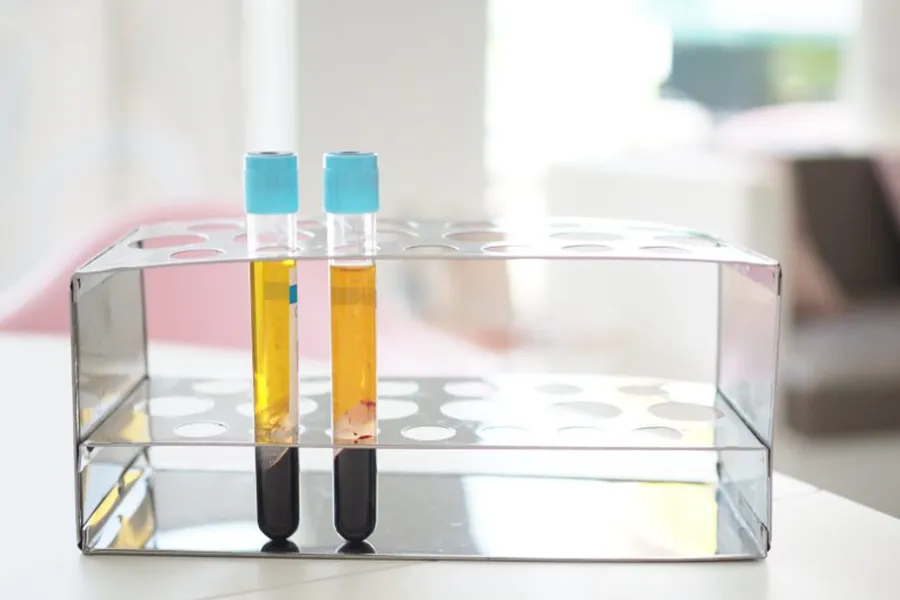
PRP is obtained by taking a sample of blood from the patient and through a series of centrifugation procedures, getting rid of the red and white blood cells, leaving only platelets and plasma. Platelets are a rich source of growth factors and promote tissue healing. Concentrated platelets are then injected into the joint in a small volume of plasma. Several studies have demonstrated benefit and improved joint tissue quality. PRP injections should be performed about 3 times over a period of 3-6 weeks in order to achieve maximum benefit.
An advantage here is that we are using the patient’s own blood as a source of healing and no medications are involved.
Amniotic Membrane Products
Amniotic fluid and amniotic membrane are loaded with growth factors and chemical signals that reduce inflammation, enhance tissue healing and regeneration. This makes sense: the growing fetus was bathed in this rich fluid during growth and development. In the past, these tissues were simply discarded after birth. But this rich source of regenerative product is now available, derived from healthy babies born via C-section. The material is concentrated and lyophilized (“freeze-dried”) and is available now as material to be injected into arthritic joints. Once again, this is a natural , biologic product, rather than a medication, and has no known adverse effects.
Stem Cells
Mesenchymal stem cells(MSC) are a kind of stem cell that can become any one of several tissue types: fat, muscle, bone, cartilage. MSC’s are distributed throughout the body and can be harvested from the patient and then injected into the joint. Another source of MSC’s is from umbilical cord blood. The umbilical cords from newborns contain blood that is a rich source of potent stem cells that can be used in regenerative medicine. MSC therapy for arthritis remains an investigational procedure, but a number of studies have demonstrated benefit.
Exosomes
Exosomes are a new and emerging treatment in the field of regenerative medicine. Exosomes are tiny spheres of cell membrane that are secreted by cells in order to communicate with and influence nearby cells. The exosomes contain packets of information that regulate cellular responses, modulate the immune system, and even regulate gene expression. Stem cells, such as MSC’s produce large quantities of exosomes, which are one of the major ways in which they function to influence tissue growth. MSC’s are expanded in culture and the exosomes they produce can be collected and used as therapy. These exosomes provide a rich source of growth factors, tissue regeneration and anti-inflammatory signals that can be injected into the joint .As a biologic and natural product, arthritis can be thus treated in a non-surgical, non-pharmacologic manner.
These regenerative treatment options are very exciting and new developments are emerging on a continuous basis. As with most cutting-edge treatments, these approaches are not widely adopted or even accepted in most conventional medicine circles. As a result, they are not currently covered by most health insurance programs. Over time, and with more research, it is expected that many of these options will become standard therapy. While considered investigational still, these treatments are generally recognized as safe and are thus permissible in the clinical setting. We offer these treatment programs in our office. If you would like to consider a regenerative medicine treatment for arthritis, we would be happy to discuss further with you.
